
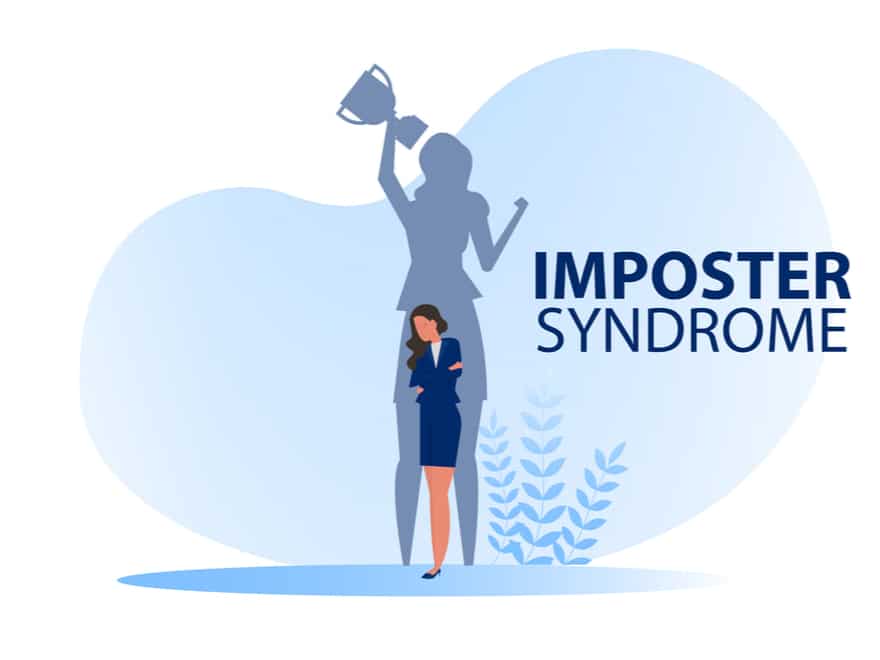
Imposter syndrome means self-doubt and personal incompetence despite having the proper education, experience, and even accomplishments. Unfortunately, this is very common, especially among women in the workplace, and naturally does not positively impact the women of our society.
Discrimination and biases tell us how our leader should look, sound, and act, where the central part gets missed, and that is professionalism.
Men are not prone to imposter syndrome as there are multiple models available for leadership for men. Men can be soft-spoken, have a raging temper, and wear sharp suits or casual outfits as a leader, giving them a significant advantage in working. In comparison, that is not the case for women. That “think male, think leader” mentality still stops women from being accepted as leaders even if they are competent. If you think about the presidents of America, all of them to date are male. Many are still not ready to accept a woman as our
commander and chief.
Women are discriminated against in the workplace because of their skin color, hair, and gender. It is found that women who are starting their careers with a lot of ambition and enthusiasm slowly lose the confidence and the will to work with the wrong cultural ethics existing in the workplace. Consequently, many of them leave their successful career in the middle and prefer to establish their own business rather than work in a toxic environment.
What to do then? Managers and leaders should be responsible for building a healthy work culture in the organization. Managers should be honest about the impact of biases and act to reduce discrimination because of gender, skin color, or background towards women. All employees, irrespective of their gender, color, or background, should be given equal treatment. They need to evaluate the employees based on their performance, and that message should reach each one of the employees without any fail. The performance improvement plans and year-round educational and cultural awareness programs should be made available for all the employees equally with no biases.
It is also essential for managers or leaders to be good listeners. If you are a good listener, you will only solve many complications at the grassroots level. But, of course, the listening needs to be done without any biases or discrimination.
So, let us stop saying that imposter syndrome is quite common in women workers, first ask yourself – do you have a good work culture in your organization? If your answer is NO, please change that first and make it so that all are welcome and thrive; otherwise, we may be losing many talents and expertise from our female counterpart end, which will be a significant loss for everybody.