
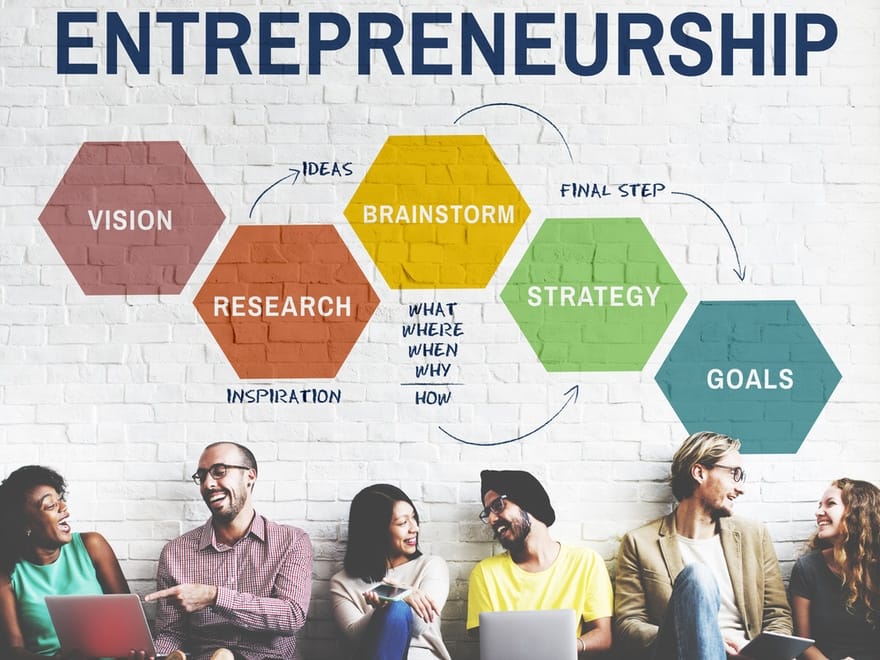
What is entrepreneurship? How do we define it? It is a venture capital-backed startup; for some, it is just a small business.
One of the best definitions we get for entrepreneurship is Professor Howards Stevenson, the godfather of entrepreneurship studies in Harvard Business School, which states – “Entrepreneurship is the pursuit of opportunities beyond resources controlled.”
The word pursuit implies many important factors for entrepreneurs. This pursuit means they need to progress quickly with a small window of opportunity and limited cash balances. The entrepreneurs need to work with a feeling of urgency, which is not required in established companies. They have opportunities as part of their portfolio, and resources are more readily available for them.
If we talk about the opportunity, then entrepreneurs need to think about the following:
- They need to pioneer a truly innovative product to draw the quick attention of the customers
- Need to devise a new business model
- If working with an existing product, then need to design a better and cheaper version of the same
- Need to target new customers with any existing product with whom they are working.
They should not be taking any quick shortcuts to increase the margin, such as raising the price and hiring more people, ultimately harming their business.
“Beyond resources controlled” means limited resources. Many entrepreneurs keep their expenditure to a bare minimum and invest personal funds and their own time to overcome this constraint. In some cases, this is helping in bringing the business to the point that it can sustain with the number of internal cash flows. But that may not be the case for many others as they might have to eventually look for production facilities, distribution channels, working capital, and so forth.
The entrepreneurs need to face many risks as they are pursuing a novel opportunity with limited resources. The risk factors include:
- Demand prospective customers who are willing the adopt the solution envisioned by the entrepreneur.
- Technology risk where the system has to be designed up to date as per the going technological advancement
- Execution risk involves the proper planning and execution for attracting prospective customers and investors.
- Financial risk, which involves whether the external capital will be available on reasonable terms or not.
Entrepreneurs need to be prepared for all these. They should be doing the experimentation keeping in mind their limited resources and expanding only the resources necessary to achieve a milestone. They can look for a partnership to ease down the problems limited resources face but need to be very sure about the partners with whom they will work. The entrepreneurs also need to be good storytellers to put their visions in front of the resource owners to inspire them to invest. Finally, they need to be creative, inventive, opportunistic, and persuasive to succeed as the resources are limited.